Table Of Content

Booking.com’s Sustainable Travel Report found that over three-quarters of survey respondents wanted to travel more sustainably. Menzies noted that European cruisers and younger cruise passengers in particular are concerned about their carbon footprints when they travel. The International Maritime Organization (IMO), the United Nations agency that regulates global shipping, has set a target for the cruise sector to reach carbon neutrality by 2050. Consequently, ship manufacturers are assessing their options for zero-emission fuels, and nuclear power is one of them. On a passenger car, that kind of increase would be almost negligible, but on a cruise ship, which burns a gallon of fuel every feet, it adds up quickly. Welcome to High Seas Cruising, your resource for exploring the exciting world of cruise ship travel.
Ship’s Engine and Design
This allows her to spend 10 days at sea without refueling at her average speed of 29 knots. If she were traveling at her top speed of 32.5 knots, she would reach her destination faster but would use a lot more fuel. The Harmony, a Royal Caribbean ship, has two 16-cylinder Wärtsil engines that are four stories high, according to The Guardian.
LNG Engines
The industry is also exploring the use of alternative fuels and energy sources to reduce environmental impact. For example, some cruise lines are transitioning to liquefied natural gas (LNG) as a cleaner-burning fuel option. LNG produces fewer CO2 emissions and virtually no SO2 and particulate matter compared to traditional marine fuels. As public awareness and demands for sustainable cruising increase, cruise lines are investing in innovative solutions to reduce average fuel consumption per day. Cruise lines are investing in technologies and operational practices to improve fuel efficiency and minimize environmental impact.
How Much Gas Does A Cruise Ship Use

Some of the larger ships depend on two power sources - one for electrical power and one for propulsion. With such changing fuel consumption patterns, cruise ships use a high share of fuel in shipping. The changing regulations are also dictating the adaptability of these ships to use electric propulsion. Modern vessels also use dual propulsion, using both electric and fuel resources. With all the above considerations, cruise ships over 300 meters in size consume 200+ MT of fuel.
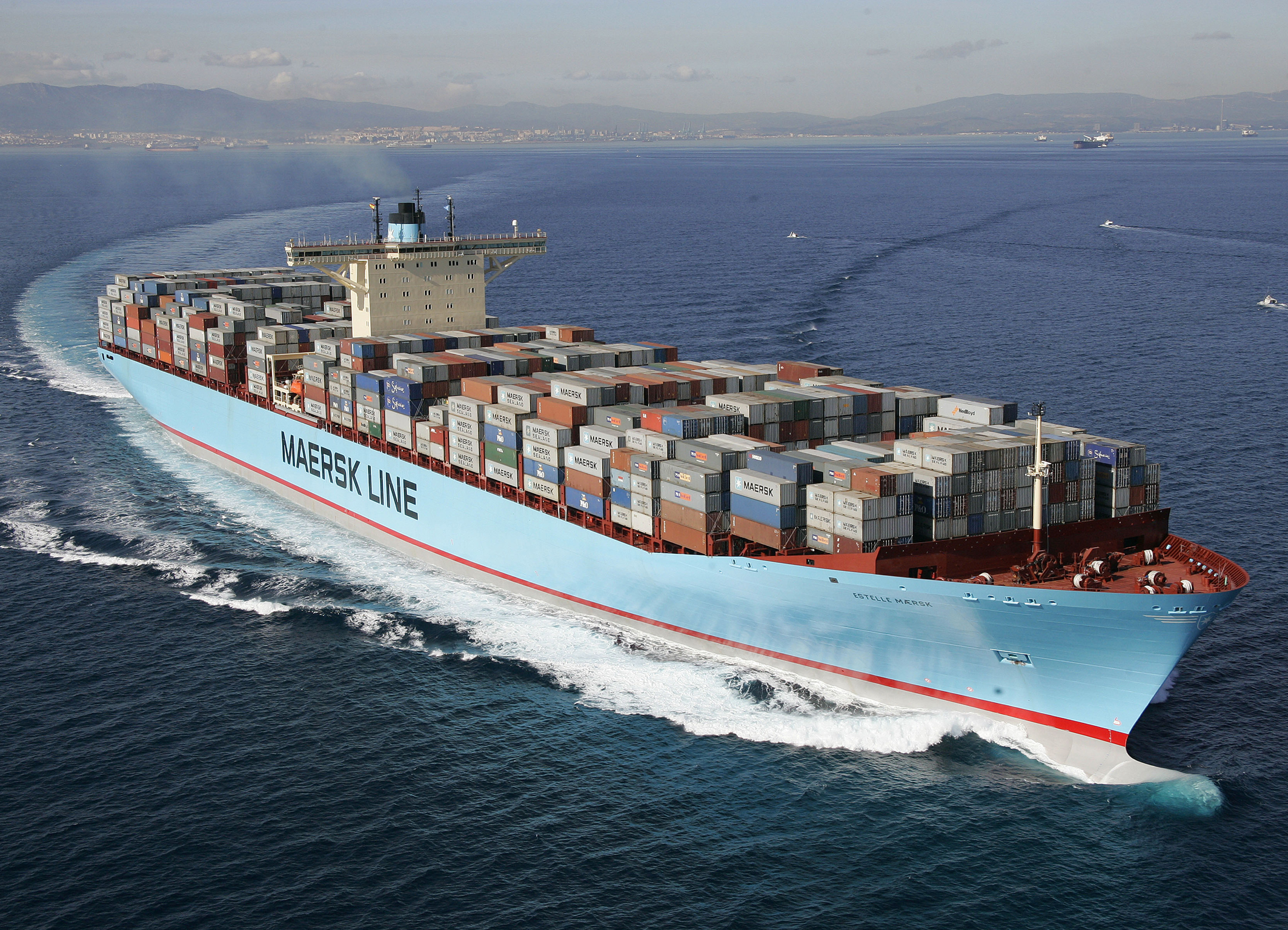
It’s important to note, however, that fuel consumption and costs can vary widely based on the factors mentioned above, as well as the specific fuel efficiency of the ship’s engines and other systems. These are rough estimates and actual fuel efficiency can vary based on many factors. These can include the ship’s size, speed, and load, the sea and weather conditions, and the efficiency of the ship’s engines and other systems.
Speed and Itinerary
She has worked in the cruise industry since 2015 and has taken over 30 cruises. Now, she helps over 1 million people per month to plan their perfect cruise holidays. ABB also supplies the power generation, distribution systems, bow thrusters, and of course, the 2 x 20,500 kW propulsion Azipod XO units (at the photo at right), transformers and drives. Meanwhile, sailing on the coastal edges mostly uses eco or low-speed movement.
Bermuda Cruise Port Guide
While at a port, a small bunker barge approaches the vessel’s side and delivers the right fuel. According to Marine Insight, a large cruise ship of 1,000 feet in length uses over 200 metric tons of fuel per day. If a cruise line doesn’t need a full diesel tank, they may opt to fill only what’s required; plus a little extra in case of emergency. The cost to fuel a cruise ship depends on several factors, including fuel type, cruise ship size, and storage. Operational practices are being optimized to reduce gas consumption, waste heat recovery systems are being implemented, and research and innovation are driving sustainable solutions. Collaboration within the industry and with external stakeholders is also leading to industry-wide standards and initiatives.
Most people don’t worry about fuel outside of filling up the gas tank in their car. However, in a world full of environmental crises, it helps to consider fuel consumption in other areas of our lives. The LNG is stored at temperatures -160 Celsius (-256 Fahrenheit) and under pressure 4-6 bars. In April 2018, the Norwegian cruise and ferry company Hurtigruten announced a USD 150 million fleet renovation project. Almost all vessels will be upgraded with new hybrid powerplants that combine LNG-engines and batteries. The LNG cruise ship concept was first introduced by Wartsila (Finnish manufacturing company) and is based on drive shaft propulsion instead of azipods.
These cruise ships emit more air pollution than all the cars in Europe - Business Insider
These cruise ships emit more air pollution than all the cars in Europe.
Posted: Wed, 05 Jul 2023 07:00:00 GMT [source]
It takes over half a day to fully refuel a cruise ship due to its high maximum capacity, energy requirements, and the necessary labor. Because of this, a luxury vessel will seldom pass up the opportunity to refuel at the port. There’s no better time than while the cruise passengers are enjoying the local environment. Large cruise ships can hold around one or two million gallons of marine fuel. While some carry as many as four million gallons, they usually measure over 1,300 feet long, far beyond the world’s largest cruise ships like Royal Caribbean’s Oasis Class.
The top speed for a ship will vary depending on the ship itself, but many can reach 25 knots per hour, or nearly 30 miles per hour. However, considering that ships can weigh more than 140,000 tons, it’s still impressive. It’s important to understand that a ship’s fuel tank isn’t a single giant container, but usually a complex system of tanks located in different parts of the ship. This distribution helps maintain the balance and stability of the ship. However, the infrastructure for LNG refuelling is not yet widespread, and the fuel itself is more expensive than HFO, making the transition challenging for the cruise ship industry.
This type of vessel is going to burn more fuel than a small ship that’s half its size because it’s going to need to displace a lot more water to maintain its buoyancy. While cruise ship size definitions vary, generally, large vessels are those that carry more than 2,500 passengers. Windstar’s ships are on the smallest end of this range, as our vessels carry roughly 250 to 300 guests. Cruise ships consume a large quantity of fuel, but the exact amount depends on several factors. A large cruise ship, on average, uses as much as 250 tons every day, which is more than 80,000 gallons, much more than most people will use in their lifetime. There are no gas stations at sea, so cruise ships need to refuel at the port.
Usually, ships are powered by four or five generator sets (medium-speed, 500 revolutions per minute), fueled by diesel and creating 8-10 MW energy each. The power density of marine diesel medium-speed engine is 80 kilowatts per cubic meter. Ships that use diesel engines are required to carry exhaust-treatment systems and catalytic-reduction equipment to reduce the environmental impact. In 2020, IMO (International Maritime Organization) implements its global 0,5% sulfur cap on marine fuels.
That said, on average, refueling a cruise can be done at about 110 tons of fuel per hour. A large cruise ship can be up to 1,100 feet long and carry as much as two million gallons of fuel, while a smaller cruise ship can typically hold around 130,000 gallons. Cruise ships refuel by a small barge, which pumps around 110 tons of fuel per hour. A cruise ship with a 1 million ton fuel capacity requires nine hours to fully fuel. Running out of fuel is one of the worst things to happen to a cruise ship.
We provide expert advice, insightful reviews, and comprehensive guides to help seasoned and novice cruisers create their ideal sea journeys. Whether you desire adventure, luxury, or exploration, High Seas Cruising is your compass to unforgettable cruise vacations. Smaller cruise ships like Norwegian Spirit or Carnival Elation use around $80,000 of fuel daily. A cruise ship that travels short distances, spending most of the day in port, won’t need to refuel as often as a ship that spends seven days sailing across the Atlantic Ocean. Safety is still crucial because most bunkering takes place prior to departure or during port visits.


No comments:
Post a Comment